Selling your home can be an exciting but also stressful time. One crucial step in the process is the home inspection. A thorough inspection can make or break a sale, so it’s essential to prepare your home to ensure a smooth and successful inspection process. In this blog, we’ll discuss how home sellers can prepare for a home inspection and the most common items found during inspections.
PREPARING YOUR HOME FOR INSPECTION
MOST COMMON ITEMS FOUND DURING INSPECTIONS
Preparing your home for a home inspection can help ensure a smooth and successful process. By addressing any issues beforehand and providing the inspector with access to necessary areas, you can increase the likelihood of a favorable inspection report.
Mold is a common concern for homeowners and homebuyers, and it’s understandable why- excessive mold growth can indicate moisture problems and potential health risks. However, when it comes to mold, there are important limitations on what a home inspector can and cannot do.
OUR ROLE AS HOME INSPECTORS
At Inline Home Inspections, LLC, our job is to provide a general assessment of a home's condition. We are generalists, not specialists, which means we look for signs of potential issues, but we do not diagnose or confirm specific problems that require specialized expertise.
When it comes to mold, we do not perform mold testing because a separate license is required for that service. Instead, if we notice potential indicators-such as black spots, musty odors, moisture concerns-we may recommend that you consult a licensed mold inspector for further evaluation.
WHY CAN'T WE CALL IT “MOLD”
Identifying mold requires Laboratory testing. While black spots or discoloration may look like mold, they could be dirt, mildew, or another substance. Since home inspectors are not mold specialists, we cannot legally identify or confirm mold during an inspection. Instead, we focus on observing and reporting conditions that might warrant further investigation.
MOLD INSPECTIONS AS AN ADD-ON SERVICE
If you'd like a mold inspection, you can schedule it as an add-on when booking your residential home inspection. We partner with mold company to provide this service.
Because mold inspections are conducted by a separate company, they are scheduled separately from our home inspections. We make every effort to coordinate both inspections to occur at the same time, but availability depends on their schedule, our schedule, and yours. if scheduling conflicts arise, the mold inspection may need to be constructed at a different time.
WHAT WE DO IF WE SEE A POTENTIAL ISSUE
WHY A MOLD INSPECTION MIGHT BE NECESSARY
If mold is a concern, hiring a licensed mold inspector ensures that samples can be collected and tested in a lab. This is the only way to confirm the presence of mold and determine the type and severity. If mold is found, a remediation plan can be developed based on the results.
FINAL THOUGHTS
While we don't test or diagnose mold, we are committed to helping our clients make informed decisions. If we observe conditions that might indicate a potential issue, we will always recommend the next steps- including consulting the appropriate specialists.
If you have concerns about mold, simply select the mold inspection add-on when scheduling your home inspection, and we'll handle the rest!
When buying a home, a professional home inspection is a critical step in understanding its condition before you commit. However, home inspectors aren't fortune tellers, and they have don't X-ray vision. While we provide a thorough evaluation of a home's major systems, there are limits to what we can inspect. Understanding these limitations- and why a home inspection is still invaluable- can help set realistic expectations and highlight the importance of this process
WHAT A HOME INSPECTOR CAN INSPECT
A home inspection is a visual, non-invasive evaluation of a property's key components, including:
WHAT A HOME INSPECTOR CANNOT INSPECT
While we provide an in-depth assessment, there are areas beyond our scope:
WHY A HOME INSPECTION IS STILL CRITICAL
Think of a home inspetion like a check-up with a general doctor. While we may not diagnose every hidden issue, we help identify red flags that warrant further evaluation by specialist. You Wouldn't skip a routine doctor's visit just because they can't perform surgery- similarly, skipping a home inspection can leave you unaware of major concerns before you buy.
As a buyer, your focused on many aspects of your move-negotiations, financing, and envisioning life in your new home. A home inspector provides a professional, unbiased assessment so you can make an informed decision without missing potential concerns.
At Inline Home Inspections, LLC., we help protect your investment by giving you a clear picture of the home's condition. While we can't see through walls or predict the future, we ensure you have the knowledge to move forward with confidence.
READY TO SCHEDULE YOUR HOME INSPECTION
Contact us today to book your professional home inspection and get the insights you need before closing on your new home!
No Two Inspectors Are Exactly Alike at Inline Home Inspection, we often remind our clients: no two home inspectors will write the same report. Each inspector brings a unique background, experience level, and perspective to the job. As a result, what one inspector notices may differ slightly from what another highlights- and that’s not a bad thing
A home inspection report isn’t about finding the “perfect” answer. It’s about providing a detailed, unbiased assessment of a home’s current condition-with a focus on safety, function, and potential concerns.
NO HOME IS PERFECT-ESPECIALLY REMODELS AND FLIPS
Cosmetic upgrades can sometimes conceal deeper issues. Fresh paint might cover water stains. New flooring could be hiding prior damage. While we always do our best to uncover visible signs of trouble, it’s important to remember home inspectors can’t see through walls or identify what’s been painted over.
What we can do is assess the major components of a home, including:
If something appears unusual or raises a red flag, we’ll document it and often recommend a licensed specialist for further evaluation.
YOUR INSPECTOR IS LIKE A GENERAL PRACTITIONER
Think of your home inspector as your house’s primary care doctor. We assess the overall health of 5he property. If we spot a potential issue-like roof damage, moisture intrusion, or unusual wiring-we refer it to a specialist. These experts have tools, training, and access that go beyond what a general inspection provides.
And here’s an important point: if a specialist later confirms there’s no issue, that doesn’t mean your inspector was wrong for flagging it. That’s the system working exactly as it should.
It’s like a doctor for a routine checkup. If your physician notices something worth checking out-say, an irregular heartbeat-you’ll be referred to a cardiologist. Further testing may reveal everything is fine. That doesn’t mean the doctor was wrong; it means they were being thorough and now, you have peace of mind.
Home inspectors can’t operate the same way. If something presents as a possible concern, we’re obligated to point it out. Even if it turns out to be nothing, it was still worth a closer look.
IT’S NOT PERSONAL-IT’S PROTECTION
When a home inspector finds issues, it doesn’t mean someone did something wrong. Homes age. Systems wear down. And sometimes problems occur that no one could have predicted.
Our role isn’t to assign blame-it’s to protect everyone involved by documenting what we see. In many cases, inspection reports help both buyers and sellers avoid legal trouble later on. If a buyer discovers a problem post-closing that wasn’t disclosed, it could lead to frustration or even litigation.
By identifying and documenting potential concerns early, both parties can move forward with a clearer understanding of the home and any areas needing attention.
EVERY HOME HAS A STORY. WE HELP YOU UNDERSTAND IT.
At Inline Home Inspections, we don’t just inspect homes-we tell their stories. Our mission is to provide clarity, confidence, and peace of mind so you can make informed decisions, when you’re buying, selling, or maintaining your home.
Have questions or need to schedule your inspection? Contact Inline Home Inspections today-we’re here to help. 303-669-5717
Buying a brand new constructed home is an exciting journey, but it’s important to remember that “Brand new" doesn't always mean "perfect". Even the most experienced builders can and do make mistakes, and without proper oversight, those mistakes can remain hidden-literally. That's why comprehensive home inspections are essential during three key stages of the new construction process: pre-drywall, final walk-through, and the one-year warranty inspection.
PRE-DRYWALL INSPECTION: WHAT'S BEHIND THE WALLS MATTERS
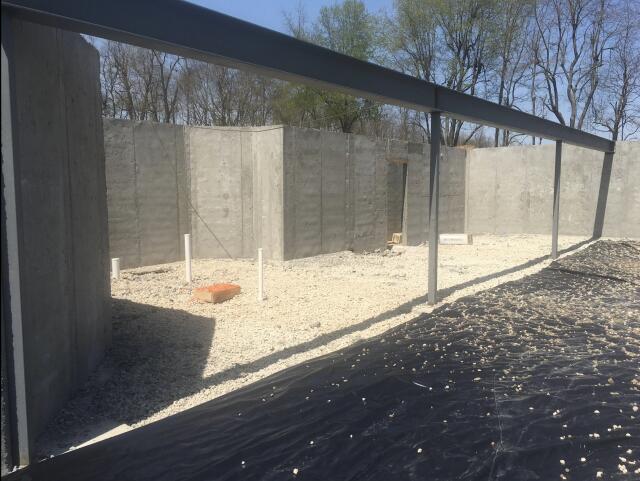
Once the walls go up, it becomes nearly impossible to see what lies beneath the surface. A pre-drywall inspection allows a certified inspector to spend the time to evaluate the structural and mechanical systems of your home before the walls are sealed.
THIS STAGE ENSURES:
By addressing issues early, you can avoid costly repairs and ensure the long-term safety and efficiency of your home.
FINAL WALK-THROUGH: YOUR LAST LOOK BEFORE MOVING IN
The final walk-through inspection takes place just before you close on your home. This inspection provides you with a detailed list of items (a “punch list") that need to be addressed before the builder hands over the keys. With a professional inspection, you'll benefit from:
Builders may have their own quality control processes, but having an independent inspector ensures nothing slips through the cracks.
ONE-YEAR WARRANTY INSPECTION: YOUR FINAL OPPORTUNITY
Most builders offer a one-year warranty for new homes, covering issues that arise after you moved in. A warranty inspection, conducted near the end od this period, helps identify any problems that need fixing before the warranty expires. After a year of living in your home, you might notice:
An inspector will document these issues and provide a report you can use to ensure the builder their warrant and makes necessary repairs.
WHY EVERY STAGE MATTERS
From pre-drywall to the one-year warranty, each inspection serves a distant purpose. Together, they create a safeguard for your investment, ensuring your home is built to last and free of hidden problems. Skipping any of these inspections could leave you with unresolved issues, costly repairs, or safety concerns down the road.
WHEN IT COMES TO NEW CONSTRUCTION, DON'T ASSUME PERFECTION
While it's exciting to move into a brand-new home, remember that builders are human, and mistakes can and will happen. Inspections at each stage of the construction process keep your builder accountable and ensure your home meets the highest standards.
Before the walls go up-or before your warranty runs out-schedule a professional home inspection to protect your investment and your peace of mind. Your future self will thank you!
Crawl spaces are common in many homes, providing access to plumbing, electrical, and HVAC systems. However, these spaces are often prone to seasonal condensation, which can lead to a range of issues if not addressed promptly. Understanding the causes, risks, and solutions for seasonal condensation in crawl spaces is essential for maintaining a healthy home environment.
CAUSES OF SEASONAL CONDENSATION IN CRAWL SPACES
RISKS OF SEASONAL CONDENSATION IN CRAWL SPACES
SOLUTIONS FOR SEASONAL CONDENSATION IN CRAWL SPACES
CONCLUSION
Seasonal condensation in the crawl spaces can lead to a range of issues, including mold growth, wood rot, and pest infestations. By understanding the causes and implementing effective solutions, homeowners can protect their homes from the risks associated with excess moisture in crawl spaces. Regular inspections and maintenance of crawl spaces are crucial to ensuring a healthy and safe home environment.